
- June 9, 2020
- Logistic
Understanding Customs Clearance: Tips for Smooth International Shipping
International shipping opens the doors to global markets, but navigating the customs clearance process can often feel complex and overwhelming. At Shivansh Enterprises of Logistics, we simplify this journey by providing clear, actionable insights that help businesses avoid unnecessary delays, extra costs, and compliance issues.
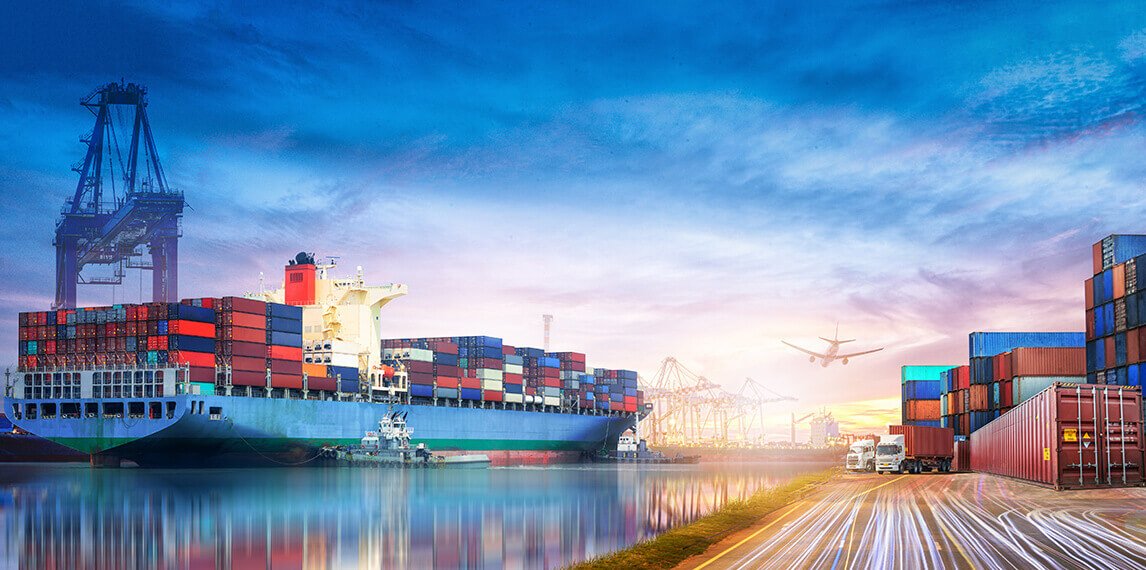
What Is Customs Clearance?
Customs clearance is the process of getting goods approved by government authorities before they enter or leave a country. It ensures that all import and export regulations are met, duties and taxes are paid, and the goods comply with local laws. This step is crucial in preventing legal complications and ensuring your shipment proceeds smoothly.
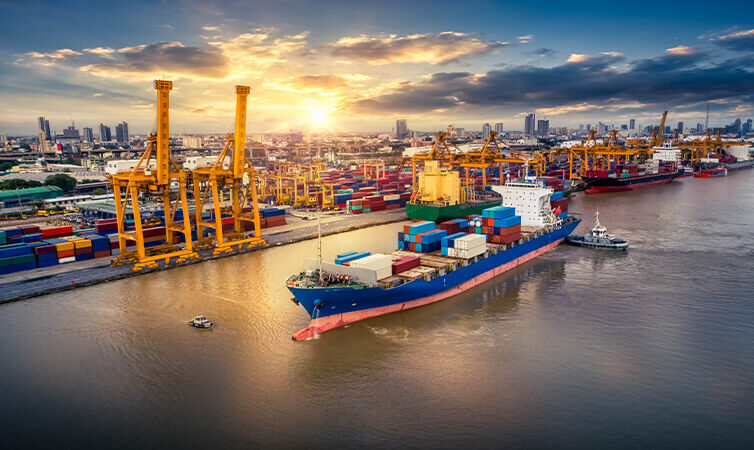



Key Steps in the Customs Clearance Process
Document Preparation
The correct and complete documentation is the backbone of smooth customs clearance. Key documents include:Commercial Invoice
Bill of Lading or Airway Bill
Packing List
Import/Export Declaration Forms
Certificates of Origin (if applicable)
Insurance Documents
Customs Declaration Submission
Submit a detailed declaration to the customs authorities of the importing country. This declaration includes information about the cargo, its value, and purpose.Payment of Duties and Taxes
Based on the declared value and classification of goods, applicable customs duties and taxes must be paid before clearance.Inspection and Approval
In some cases, customs officials may inspect the shipment to verify the contents and ensure compliance with local laws.Release of Goods
Once all paperwork is verified, duties are paid, and inspections are complete, the shipment is cleared and released for delivery.
Common Pitfalls to Avoid
Incomplete Documentation
Missing or incorrect documents can cause serious delays. Always double-check forms and invoices for accuracy.Wrong Classification of Goods
Incorrect HS (Harmonized System) codes may result in incorrect duty payments or rejected shipments.Non-compliance with Regulations
Every country has specific regulations, especially for restricted items like pharmaceuticals, food products, or electronics. Understanding these rules is essential.Underestimating Import Duties
Make sure to accurately declare the value of your goods to avoid penalties or disputes.